SEED Marketing - A Content Framework That Actually Attracts Buyers
Mar 09, 2026
Most business owners create content, post it, hope someone sees it, then wonder why it doesn’t generate any revenue.
The problem isn’t the content itself. It’s that there’s no strategy behind it. And the advice you’re being given by most content “experts” is the same recycled stuff that stopped working years ago. Post three times a day, use trending audio, and follow the algorithm. It’s exhausting, and it doesn’t move the needle on revenue.
SEED Marketing is a framework I developed after years of watching businesses post content that got engagement but no sales. It’s built around four principles that turn invisible marketing into real connections and real revenue.
S - Shape Expert Content
Your content should position you as someone who genuinely knows what they’re talking about. Not because you say you’re an expert. Because your content demonstrates it.
This means sharing your frameworks, your specific processes, and your unique perspective. The stuff that comes from experience, not from reading someone else’s blog post and rewriting it in your own words. Or, in a recent case, not rewriting it at all and trying to publish it as your own.
When your content teaches something specific that people can act on, you build authority naturally. No need to list your credentials or flash a rented Lamborghini. The content does the work.
What I am not saying is that you need to give away everything for free. Shape your expert content so it gives people a result, a quick win, something they can take action on. But leave them wanting the deeper implementation. That’s where your paid offers come in.
E - Engage Your Audience
Broadcasting isn’t engagement. Posting a piece of content and walking away isn’t engagement. Real engagement means creating conversations.
Ask questions that invite real responses. Reply to comments with substance, not just “thanks.” Share content that makes people think, not just scroll.
The businesses I see winning with content are the ones having actual conversations with their audience. Not performing for them. Not shouting into the void and hoping something sticks.
And here’s something most people miss. Engagement isn’t just about your content. It’s about showing up in other people’s comments too. Be present where your audience already is. That’s how you get noticed before they ever land on your profile.
E - Echo Your Values
What do you stand for? What do you believe? What do you stand against? When your content consistently echoes your values, you attract people who share them. And you filter out people who don’t.
That filtering is a feature, not a bug. The right audience, even if smaller, converts at a much higher rate than a large audience of random followers who liked one viral post and forgot about you the next day.
In my own business, being upfront about what I believe - that simplicity beats complexity, that human connection beats automation, that premium value deserves premium pricing - has meant my audience is smaller than some. But they buy. And they stay.
D - Deliver Actionable Steps
Every piece of content should leave someone able to do something they couldn’t do before. Not just feel inspired. Actually do something.
That’s the difference between content that gets likes and content that builds a business. Actionable beats inspirational every time. If someone reads your post and thinks, “That was nice,” you’ve lost. If they read it and think, “I’m going to do that today,” you’ve won.
Putting SEED Marketing Into Practice
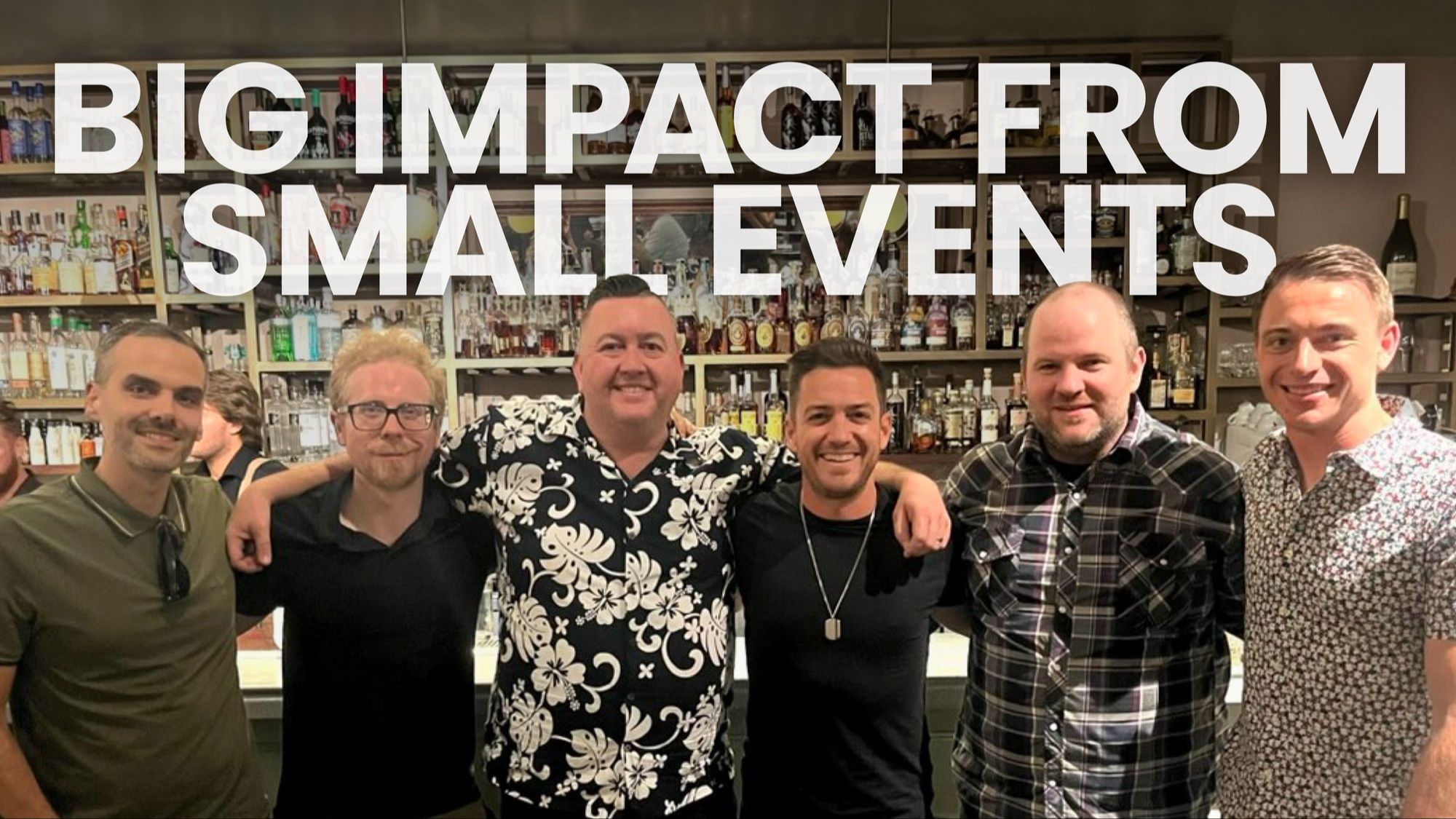
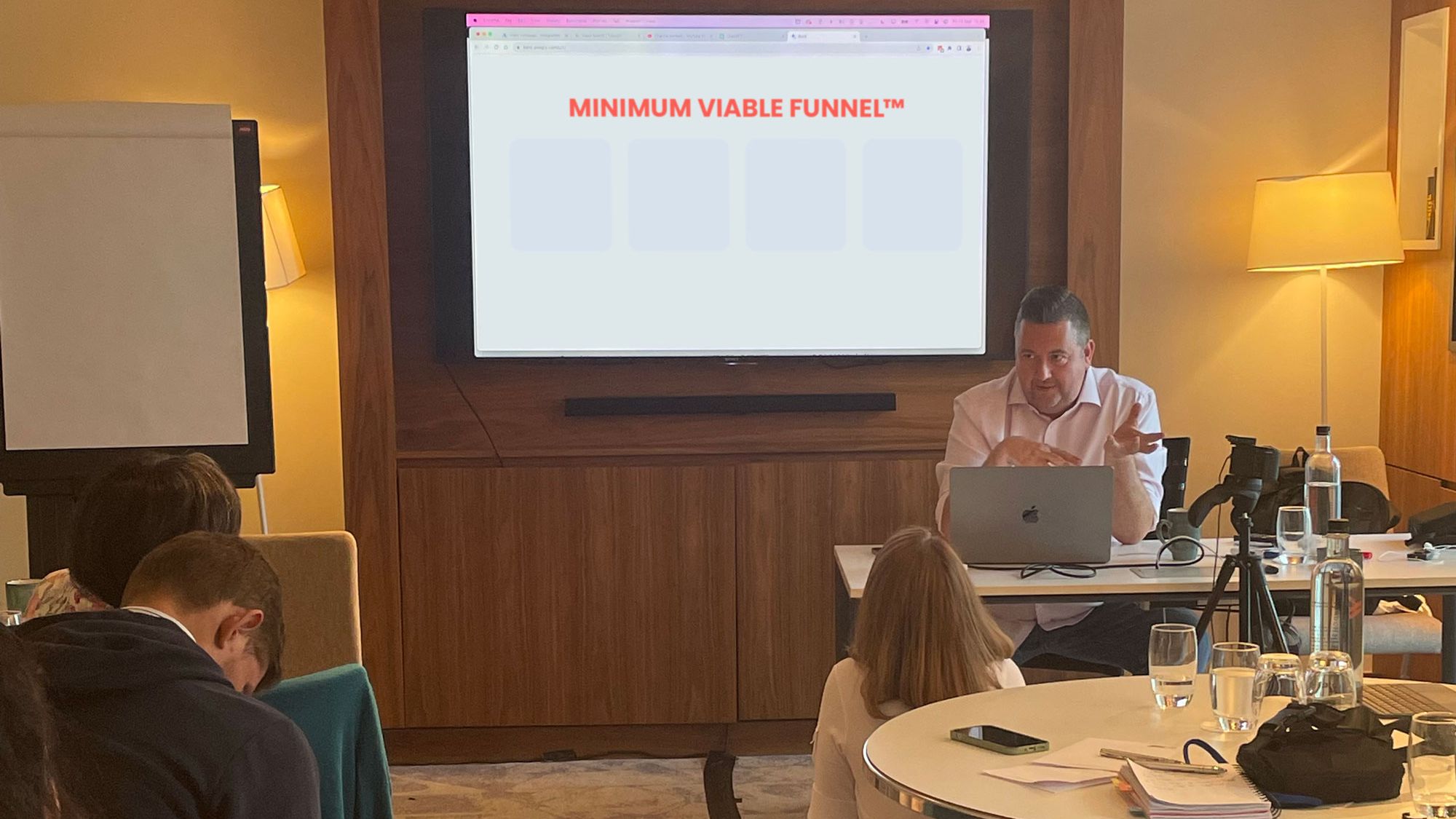
The full SEED Marketing framework is something I teach on Day 1 of Simplify Summit. Not just the theory. The application. You’ll apply it to your content in the room and leave with a plan for content that attracts buyers, not freebie hunters.
Check out tickets for the next event at www.simplifysummits.com.
Oh, and the case of someone copying my content that I mentioned above…
What’s interesting here is proof of SEED Marketing working in action.
I wrote an article about a well-known online business owner who was marketing their launch with a hard stop, a cart close date pushing everyone to buy before the offer went away. But what followed surprised me. She sent an email the day after the cart closed, inviting people to buy based on an extension they had added to the offer.
I posted an article in a forum of peers in my industry, sharing my thoughts and asking for other people’s opinions. The article had my tone of voice, my own perspective, and the values I believe in and stand on in my business.
The same day I published it, I received a message from someone in my network: “Have you seen this article? It’s very similar to yours.” They sent me a link to another website featuring the same article.
Instantly I thought, “Did they think I copied someone else?” I was mortified that I could have been seen as a copycat. But it was clear the other person had copied me.
The owner of the blog that published his version of my article changed a few lines and removed my own Ant-isms, if that’s even a word.
The flow of the article presented the same content I had posted, with almost every paragraph matching my exact words in the same order. Changes were made to add his company and a call to action to his website. But it was clear from the timestamps that he posted after me.
The person in my network followed up with, “I could tell it was your article when I saw it. It had Ant all over it.”
My tone of voice, my thoughts, my beliefs, and how I linked it back to my own Simplify thinking made it clear it was mine.
Even when someone attempts to copy you, the people who follow and engage with your content will spot others trying to mimic you or model what you’re doing.
I love the fact that my content is recognisable now. It shows how important it is to stay consistent and on brand when creating content.
The copycat hasn’t taken down the post. But the community who know both him and me have seen some true colours coming out. I’ll leave it to the community to decide what they think. I think it’s pretty clear.